





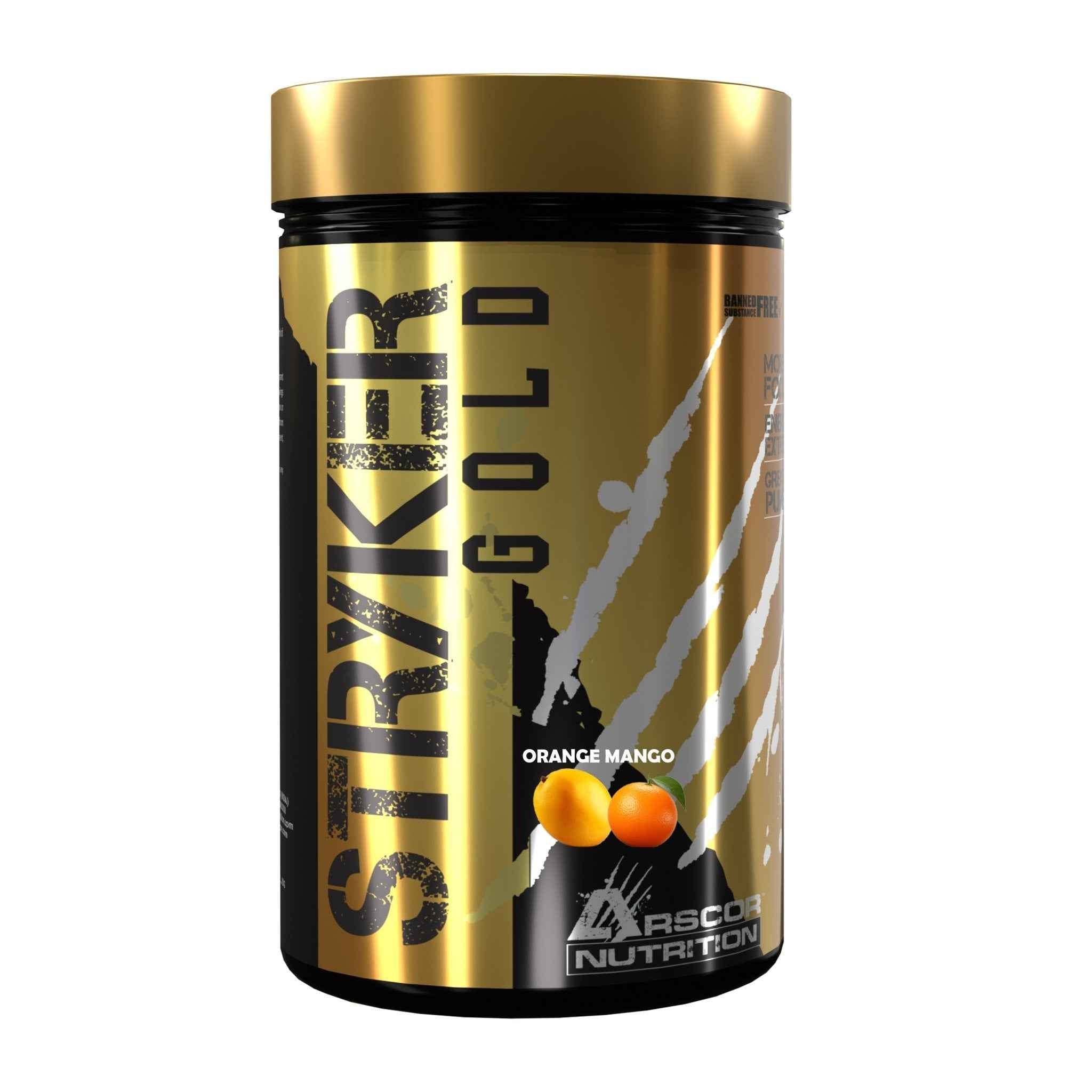
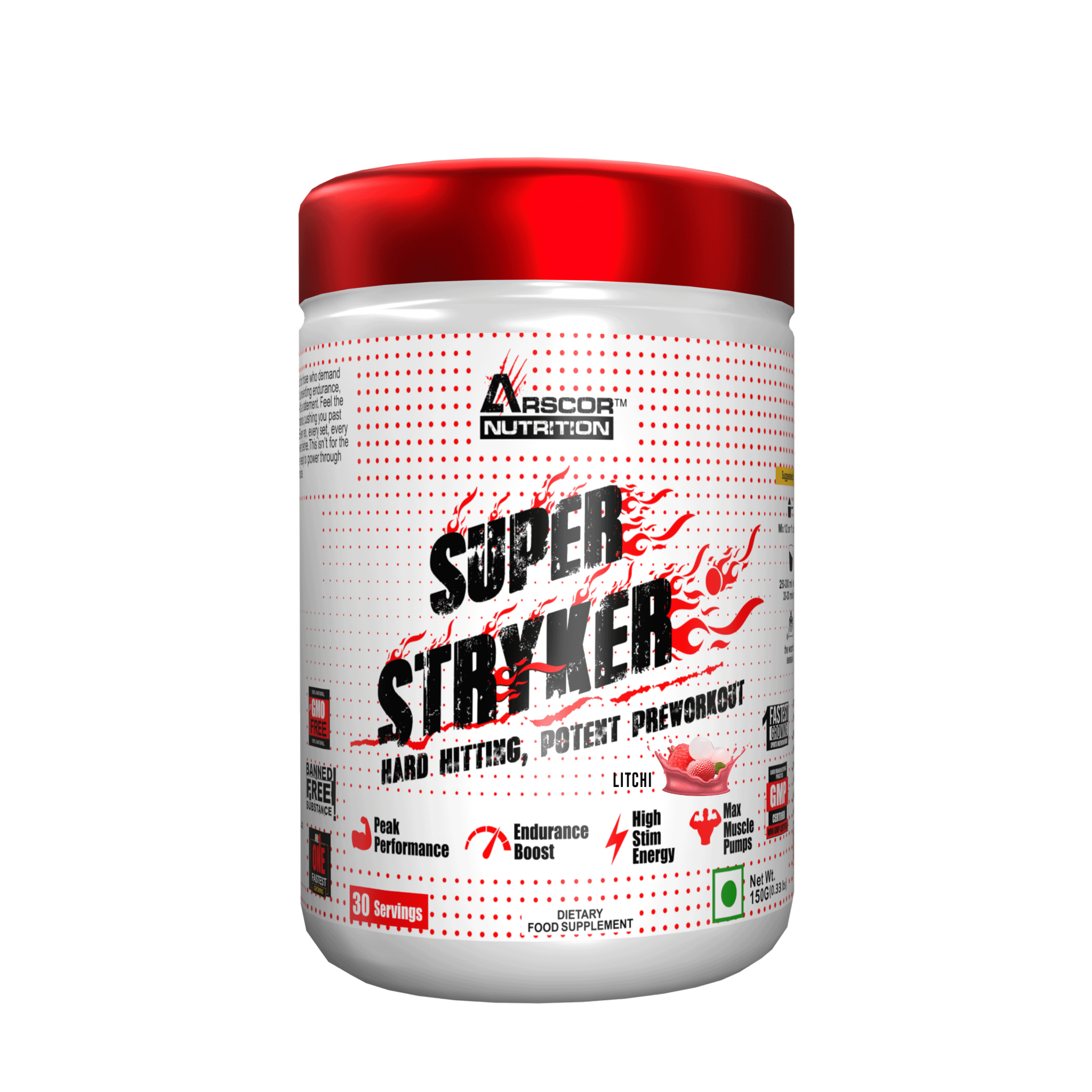
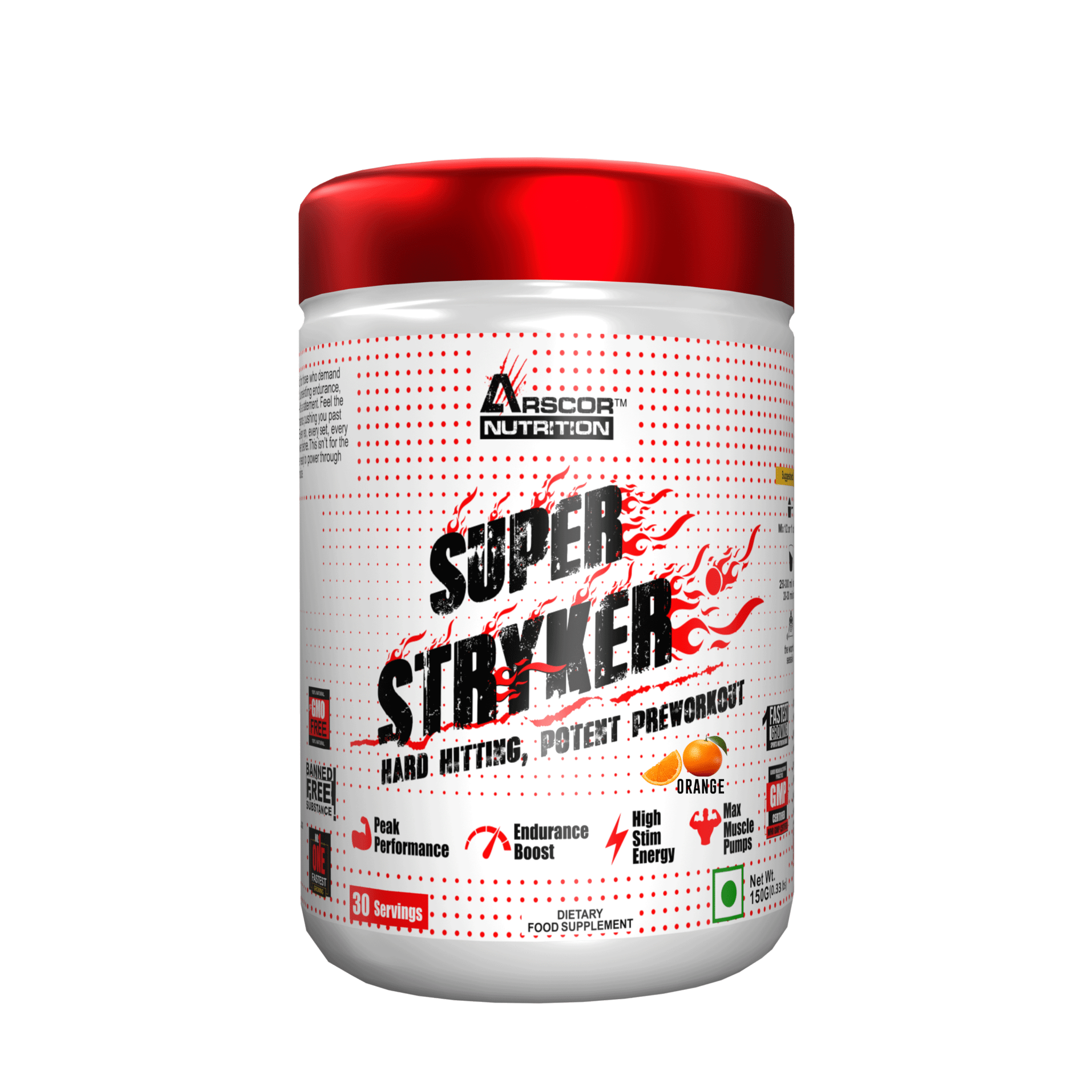
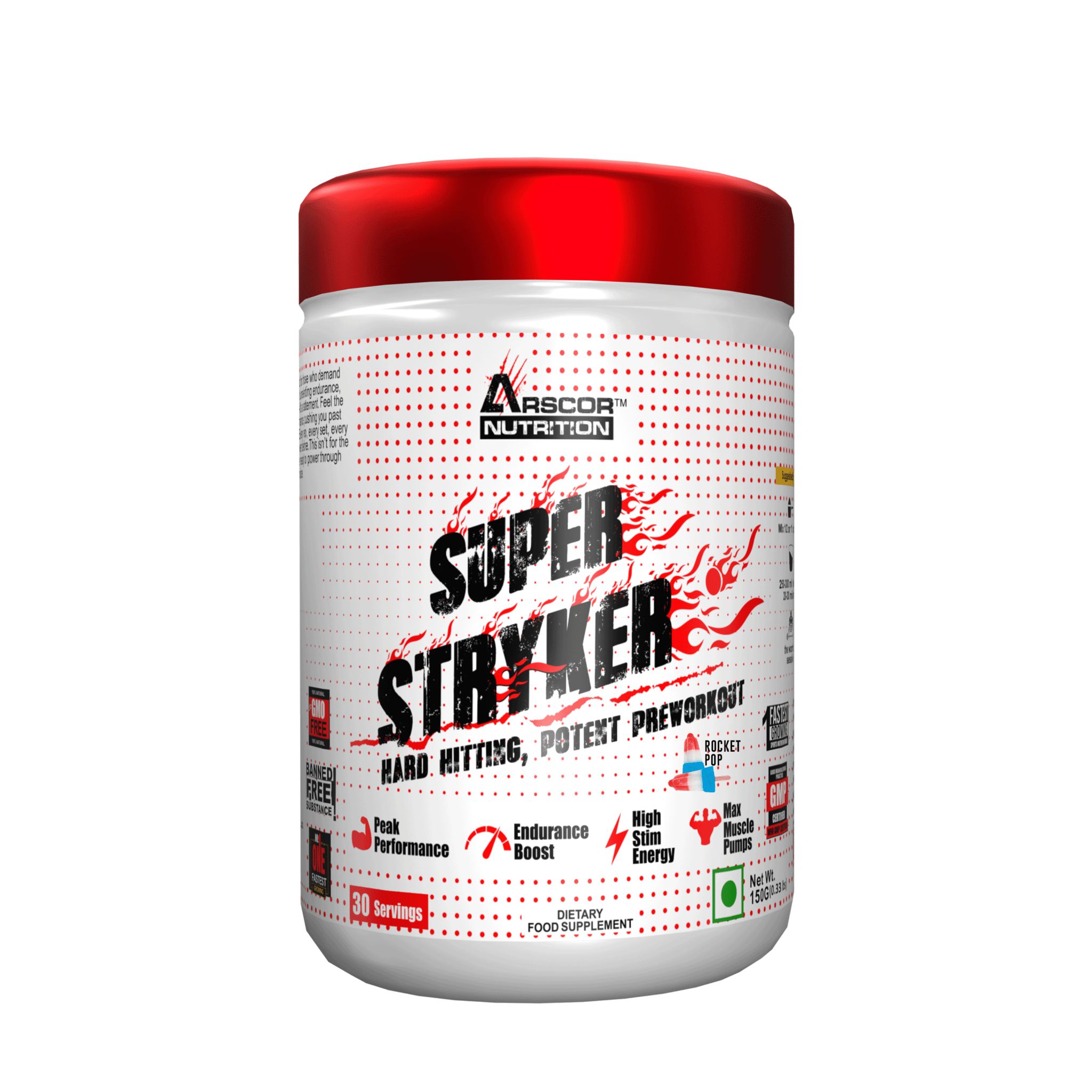

Pre-workout supplements are curated to make you feel more energised, ready to train, and focused. However, simply taking a supplement will not give you the results you desire. When to take pre-workout, how much you take and what you take can make all the difference.
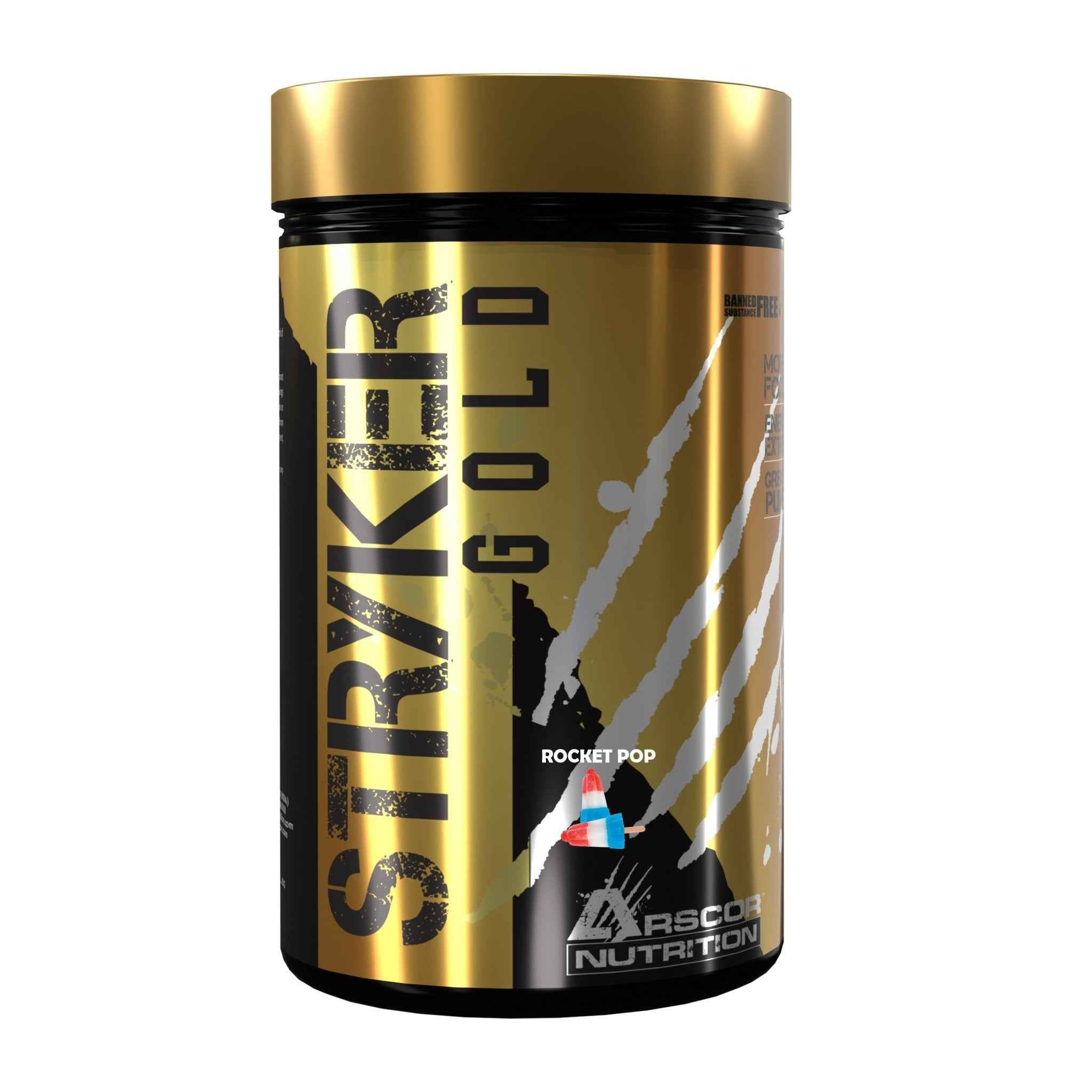
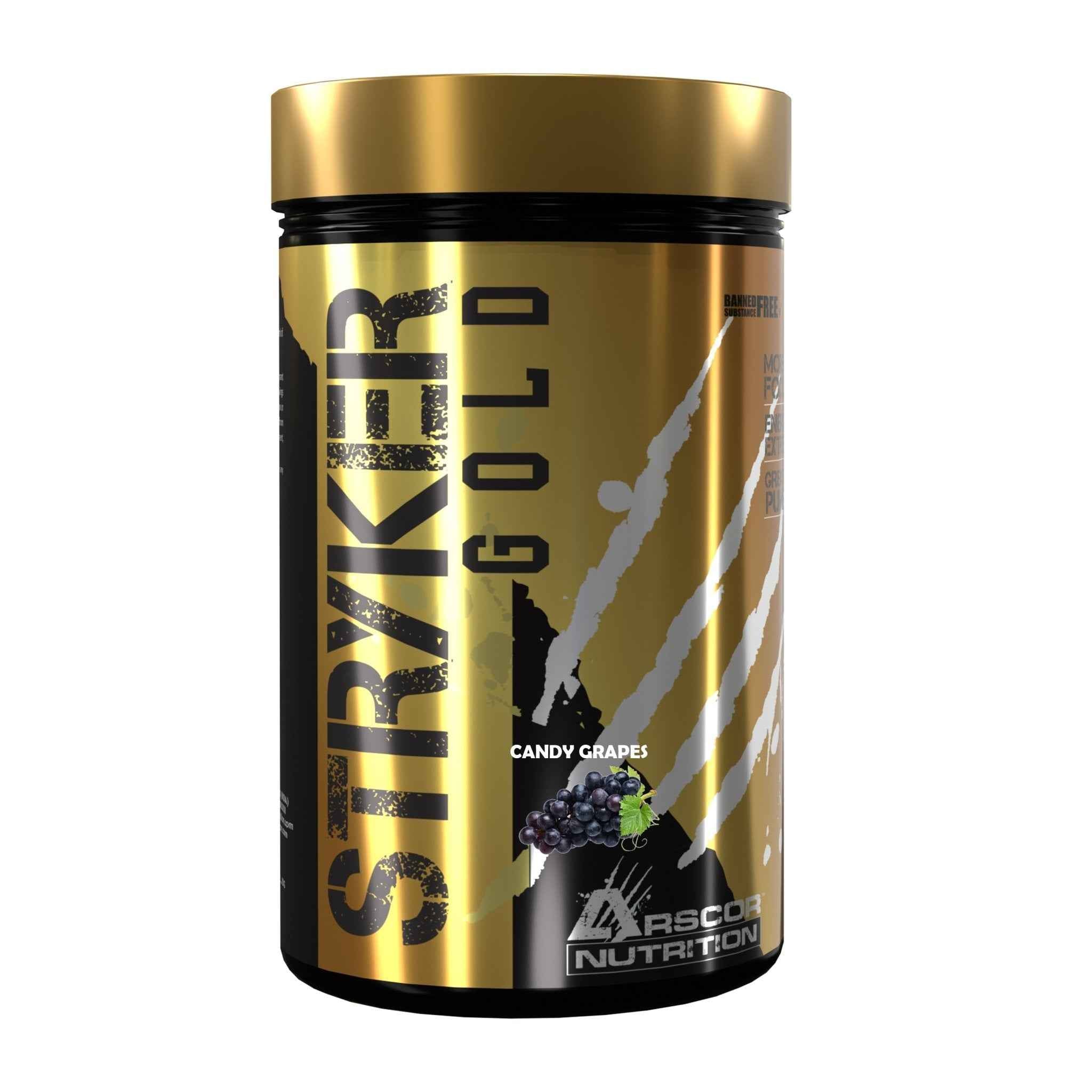
Most pre-workout formulas like Arscor Nutrition’s Purge 2.0 Pre-workout contain caffeine, taurine, citrulline, and beta-alanine. All these ingredients have proven to be successful in terms of increasing alertness, supporting exercise performance, and perceived energy. Although, the ideal dose varies from person to person. If you want to get the most out of your pre-workout supplement while avoiding common side effects, here’s all you need to know.

The Ideal Timing Window
A common recommendation for taking the pre-workout supplement is 20-30 minutes before your workout. This allows the ingredients time to begin taking effect before you start your workout.
However, it is necessary to keep in mind that each product is different and thus, the ideal timing also differs. Caffeine is typically absorbed quickly; research suggests that its effects can be useful when consumed 30-90 minutes before your workout. On the other hand, taking a pre-workout containing caffeine 30 minutes pre-workout is the ideal time. You can always experiment and notice when the effects start to kick in and adjust the timing accordingly.
Along with this, your workout time matters. Taking a caffeinated pre-workout supplement too close to bedtime can interfere with your sleep. So, it is necessary not to take a pre-workout like an energy drink and plan your dose around your sleep schedule and your training session.
How Much to Take
The right amount of pre-workout depends on the ingredients, individual tolerance, and
serving size. It is crucial to check the supplement label rather than assuming the correct amount. This is particularly important when it comes to caffeinated formulas. As per the International Society of Sports Nutrition, caffeine can support various aspects of exercise performance, but individual responses can vary.
If you are a beginner, then starting with half a scoop is the sensible choice. A smaller serving will allow you to monitor how your body reacts before moving forward with a full recommended serving.
Pay careful attention to how you feel during and after the workout. Some people may
experience jitters, nausea, lack of sleep or increased heart rate. If you can tolerate half a scoop well, then gradually move towards a full scoop. However, there is no need to increase the dose simply because you want to feel a stronger effect. More pre-workout does not automatically mean better performance and may increase the risk of unwanted side effects.
You should also consider your total daily caffeine intake. Coffee, tea, energy drinks, and other supplements can all contribute to your daily intake. The FDA states that up to 400 mg of caffeine per day is an amount not generally associated with negative effects for most healthy adults, although individual sensitivity varies.
What to Mix It With
One of the common questions that arises while taking a pre-workout supplement is what to mix it with? If you are taking a powdered pre-workout supplement, then it is designed to be mixed with water. The exact amount varies from product to product. The label mentions the exact amount and preparation instructions, so it is advised to follow that.
Should You Take Pre-Workout on an Empty Stomach?
Some people prefer to take a pre-workout supplement without eating anything to feel the effects more quickly. Others might feel stomach discomfort, nausea, or shakiness. There is no universal rule that states to take pre-workout on an empty stomach. Try eating a small and easily digestible snack before your workout. A toast, banana, or yogurt may work better than a full meal.
Ultimately, your pre-workout supplement routine should be based on how your body
responds and reacts to each action.
Common Mistakes That Ruin Your Pre-Workout Experience
Certain common mistakes can ruin your pre-workout experience. Listed below are a few of these mistakes, and you can avoid them.
Consuming it too late in the day
One of the biggest mistakes people make while taking a caffeinated pre-workout is taking it too close to bedtime. You may feel energetic during your workout, but that can make it hard for you to fall asleep. Poor sleep can affect your mood, next workout, and recovery.
If you train during the evening, check the caffeine content of your pre-workout supplement and consider a less or no-caffeine option. Arscor Nutrition follows a transparent approach where each ingredient is fully disclosed.
Taking more than the advised serving
Consuming a bigger scoop is not a shortcut to a better workout. You just need to find the right amount that works perfectly for your body. Taking more than that can lead to an increase in caffeine intake and may cause side effects including anxiety, jitters, sleep disruption, or increased heart rate. Make sure to follow the recommended serving size and listen to your body.
Ignoring other sources of energy
If you consume coffee or an energy drink, ensure you consider it as part of your pre-workout supplement. Check the labels and keep track of your caffeine consumption.
Conclusion
Taking your pre-workout supplement at the right time and in the right way can increase its effects and help you achieve your desired results. Start with the recommended serving, give your body time to adjust, and pay attention to how you respond. Avoid taking it too late in the day or relying on it to make up for poor sleep, nutrition or recovery. Used sensibly alongside consistent training, a balanced diet and adequate rest, pre-workout can be a useful addition to your fitness routine.
FAQs
Q1. Can I take pre-workout daily?
It is not mandatory to take pre-workout daily. If you are healthy, you can, but it is not
recommended.
Q2. How to use pre-workout as a beginner?
As a beginner, begin by taking half a scoop of your pre-workout supplement and then
gradually increase the dosage. It is recommended to take it 2-30 minutes before your
workout.
Q3. Can I drink pre-workout on an empty stomach?
It varies from person to person. Some might feel discomfort; some may feel more energetic. So experiment and choose what works best for your body.
Q4. Who shouldn’t use pre-workout?
People who have heart conditions, are pregnant, are under 18, or have high blood pressure should avoid the use of pre-workout supplements.